AirTera’s Safety Management System replaces manual, disconnected safety tools with one intuitive platform that centralizes flight risk, reporting, audits, and emergency preparedness while delivering clear visibility, faster response, and inspection-ready compliance.
AirTeraSM Helps our Operators Become FAA Part 5 SMS compliance (effective May 28, 2027)
AI-powered hazard identification and risk assessments embedded in daily operations
Intuitive, role-based workflows built for crews, safety managers, and leadership
Integrated audits, corrective actions, and Emergency Response Planning within a single SMS platform
Inspection-ready by design with audit trails, version control, and documentation safeguards
Continuously updated, unified platform that reduces tool sprawl and operational risk
Comprehensive Capabilities for Safety Professionals
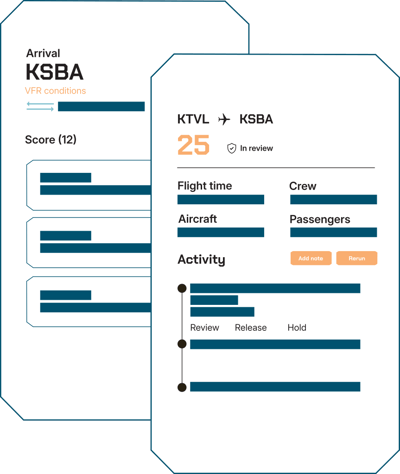
Flight Risk Management: AirTera FRAT provides automated risk scoring with go/no-go flags and mitigation guideance supported by integrated NOTAMs, weather, route, and runaway data.
Safety Reporting & Communication: Editable SMS manuals and safety policies are paired with inspection-ready reporting, complete audit trails, and built-in version controls
Compliance & Documentation: Anonymous safety reporting with automated alerts is combined with read and acknoledgement tracking for notices and safety bulletins.
Emergency Repsones Planning (ERP) Add-on: ERP workflows are embedded directly into SMS, with defined roles, digital checklists, task tracking, and audit ready records that replace static manuals.
AI-Powered Audits & Platform Improvements: AI-powered internal and external audits with streamlined workflows, lifecycle tracking, and a refined interface for clearer oversight and reporting.
Other Solutions for Operators
Explore a comprehensive suite of aviation solutions covering key FAA certifications and operations, including Parts 121, 125, 135, 139, 145, and 91/91K. This overview highlights how our solutions support operators, airports, repair stations, pilots, and training programs with clear guidance, streamlined compliance, and operational efficiency across the aviation ecosystem.
Part 125/135 Operators
Part 135 and Part 125 FAA certificate holders use aircraft for chartered flights; the difference between the two certificates is the size of the aircraft used.
Some airports hold a FAA Part 139 airport operating certificate. These airports serve scheduled and unscheduled flights on aircraft with more than 30 seats.